
Carry-On Packing
Packing Hacks That Save Real Space (and Four That Do Not)
Most packing hacks move the problem around instead of solving it. The ones that measurably help, and the popular ones that cost you more than they save.
Contains affiliate links — we may earn a commission at no cost to you. How this works
Packing advice has a measurement problem. Almost none of it is tested against the thing that matters — whether the lid closes — and a lot of it just moves volume from one part of the bag to another.
Here is the split, with the reason in each case.
The ones that work
Wear the bulk
The single biggest saving available, and it costs nothing. Boots and the heaviest outer layer are the two bulkiest things most people put in a bag. Worn, they take up none of it.
This is also the only “hack” that helps with a weight limit as well as a size limit, since what you wear is not weighed.
Shoes are containers
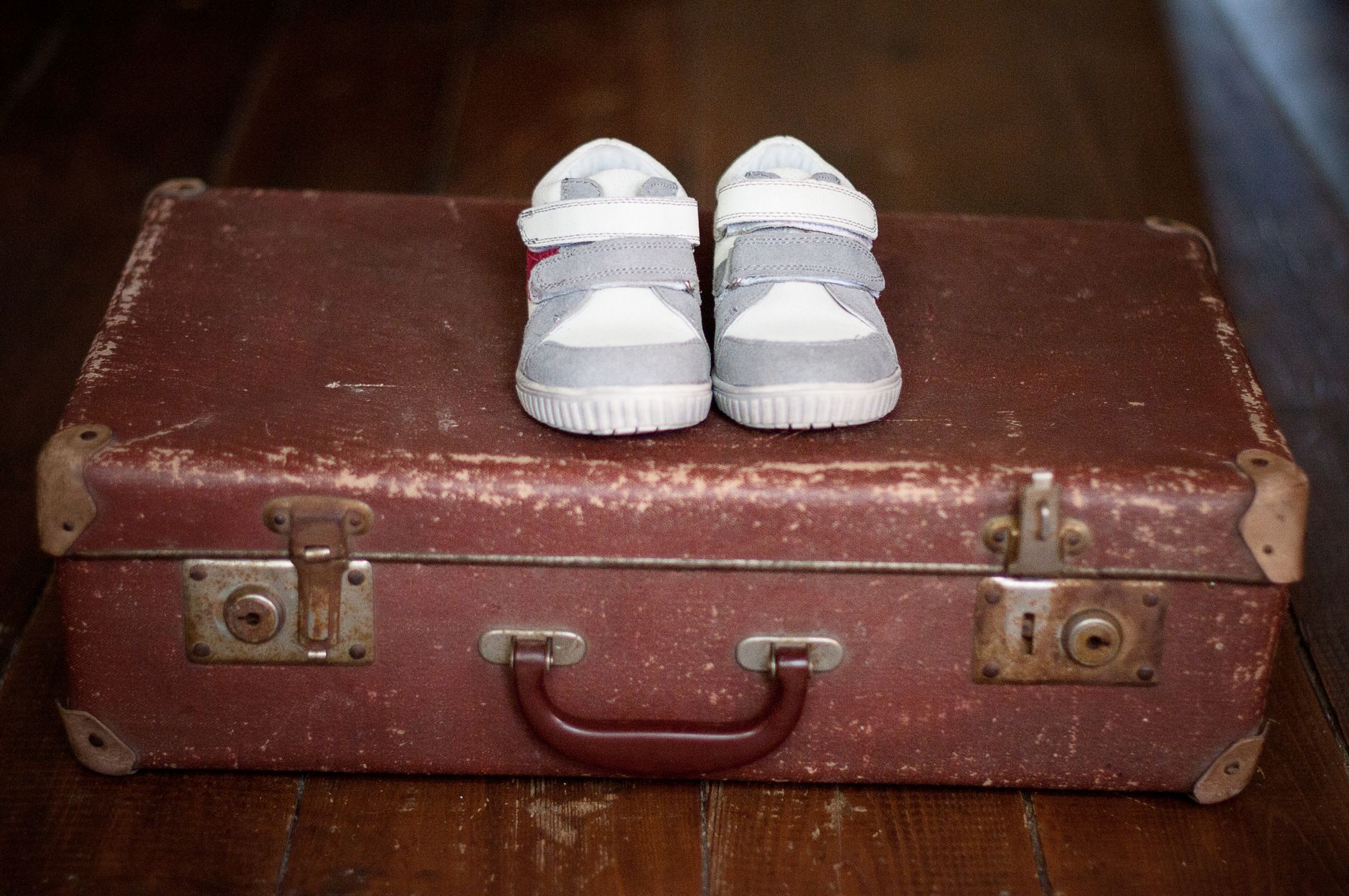
Socks, chargers, and small toiletries go inside the shoes. Shoes hold their shape whether or not something is in them, so that volume is free. Leaving it empty is paying to transport air.
Decant, do not substitute
A 100 ml bottle of your own shampoo beats a travel-size of something else: it passes security, it is enough for a week, and you do not spend the first evening discovering you dislike it.
Solids are not liquids
Bar shampoo, solid deodorant and toothpaste tabs do not count against the liquids bag. For a one-week carry-on that is often the difference between fitting the quart bag and repacking at the airport.
One cube left partly empty
Not a space saving on the way out — a space saving on the way back. A bag packed to capacity outbound has nowhere to put what you buy.
The ones that do not
Rolling everything
Rolling helps knits — t-shirts, underwear, soft trousers. It actively hurts anything structured: a rolled shirt collar or jacket shoulder arrives creased and takes more room than the same item folded flat against the shell.
The rule is per-garment, not per-bag. “Roll everything” is where the advice goes wrong.
Vacuum bags for clothes you will wear
They work, once. Then you are in a hotel without a vacuum cleaner, and the return leg is packed with bags that cannot be re-sealed, taking more space than the clothes did originally.
They are genuinely good for off-season storage at home. They are a trap in luggage.
Stuffing every gap
A bag packed into every corner is a bag that has to be fully unpacked to find anything, and repacked looser every time. The gaps are what make the bag usable on day four.
Buying a bigger bag to “pack less”
The bag is the budget. A larger bag does not reduce what you take — it quietly raises the limit, and then it does not fit the sizer.
The one that depends
Compression sacks. Real volume saving on soft, air-filled items: fleece, puffer layers, towels. Almost nothing on denim or shoes.
The catch is weight. Compression gets you under the size limit by making the bag denser, which can put you over the weight limit instead. If your airline enforces carry-on weight, compress the bulky soft items and then weigh the bag before you leave.
The test
Before any of this, pack the bag and close it. If it closes with room, you did not have a packing problem. If it does not, the question is almost never which hack to apply — it is which three items to leave at home.
What to actually buy
Best for most people
Compression sacks and cubes
- Best for
- Trips with more than one stop, where the bag gets reopened
- The catch
- Cubes do not create space — only compression sacks do, and only on soft items
If that does not fit
Carry-on bags with external pockets
- Best for
- A one-week trip where the gate sizer is strict
- The catch
- Soft-side gives at the sizer but scuffs; the wheels usually fail before the shell